The first thing I did this semester was getting familiar with my group. We got assigned a group by our teachers before the semester even started. I knew two people from my group because they were in previous classes in previous semesters.
The first project of this semester was to make a studio that represents your group. A groupmate immediately came up with an idea to copy a Belgian girl group called K3.
Group contract:
I created a group contract for our group that had a description of who we are as a team and what our goal is. It also has some rules for our team for being late a lot (for example).
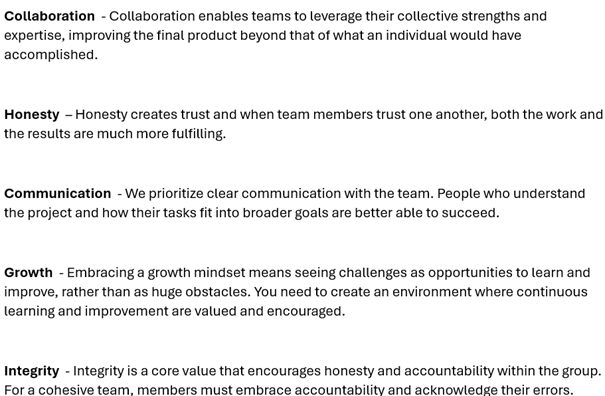
I also searched for some core values in the document that represent us as a team. I picked some from the internet that I thought really represents our team. I wrote down the core value and a description of what they mean.
The core values I wrote down are: Collaboration – Honesty – Communication – Growth – Integrity.
https://stichtingfontys.sharepoint.com/:w:/s/StudioS3931/EUFAj5CgrRdHiLAJyDk2_qYBGiUHxdXKPCxAkBSoZbHTxw?e=yG6EAP
I went on a trip with my group to visit our client all the way in Simpelveld, down in the south of the Netherlands (Limburg). It was a pretty long journey, but honestly, it was really worth it. I wanted to meet the client in person so I could better understand how they work and what kind of challenges they face when helping refugees. Seeing everything face-to-face gave me a much clearer idea of their daily routine, how they support people, and also what things could be improved.
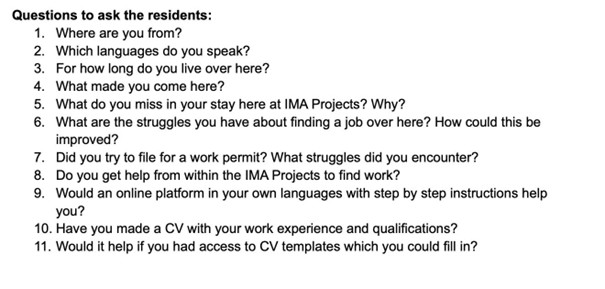
Another big reason for the visit was to talk directly with some of the refugees. I really wanted to hear their personal stories—how they experienced looking for work, the struggles they ran into, and what kind of support they’ve had so far. Before the visit, we prepared a bunch of interview questions to guide the conversations. In total, we interviewed seven people, all with very different backgrounds and stories. We spoke to five men and two women, which helped give me a broader view of how different their experiences can be.
We also asked if we could record the interviews, just to make sure we didn’t miss anything. During the interviews, I mainly focused on writing transcripts. I wanted to make sure we had everything written down clearly, especially in case any of the audio didn’t turn out well. It was a bit of work, but it felt really valuable because I was helping document these personal, sometimes emotional stories in a way we could go back to later.
This visit really had an impact on me. Hearing people’s stories directly from them made everything feel so much more real. It wasn’t just reading a case study or doing desk research—these were actual people sitting in front of me, talking about what they’ve been through. Some of the things they shared really stuck with me, especially the challenges they face trying to find work even when they’re more than willing to work and have the skills. It made me realise how complex the whole system is and how important it is to design something that actually helps.
Before the visit, the project felt a bit distant to me—like we were just working on something for a grade. But after hearing the stories and seeing the real-life struggles, I felt way more motivated to make something meaningful. I also learned a lot about interviewing people—how to ask the right questions, how to listen closely, and how to make someone feel comfortable enough to open up. Writing the transcripts helped me really focus on the small details, which I think are super important when trying to design something useful.
Overall, this visit gave me a solid foundation to move forward with the project in a more meaningful and focused way. I’m really glad I got the chance to be part of it.
https://stichtingfontys.sharepoint.com/:w:/s/StudioS3931/EQSnUM3QCSRNhbpKnkBPUEMB999whVbrpPIG7Bm1VjHvXg?e=qr8P7s
Interview questions:
I did user research for our project because I needed to understand what our users are used to and what kind of needs they have. I ended up identifying three main user groups: refugees, employers, and other people who might need help finding a job. I know that last group is a bit broad, but as a group we agreed that it’s still a valid user type—Dutch people could also benefit from our platform if they’re struggling to find work.
For each user group, I wrote down their specific needs and what requirements would help meet those needs. A lot of these needs actually overlapped, especially between refugees and employers. For example, both groups benefit from things like language tests and CV support. Of course, refugees generally need more help with those things, especially when it comes to language barriers or navigating the Dutch job market. After writing down the needs and possible solutions for each group, I created a conclusion that summarised the main struggles of our users and what kinds of solutions could actually help them.
Idea specification:
After mapping out the user needs, I also wrote a short explanation of our main idea and concept—basically, what we as a group want to achieve with this project. It’s not super detailed, but it gives a clearer overview of our goal and the direction we’re heading in. I also added some possible extra features we could include later on if we have time. They’re not guaranteed to make it into the final version, but they’re good to have on standby as optional additions.
Doing this user research really helped me understand our project better. Before this, I had a general idea of what we were making, but now I can actually see how it could help real people. Breaking the users down into different groups made me realise how connected their needs are. It’s not just about helping one type of user—it’s about building something that works well for everyone involved. It also made me more aware of how careful we need to be when designing features, because something small could have a big impact, especially for someone like a refugee who might already be dealing with a lot of stress.
I also learned that it’s okay to start broad, as long as you narrow it down with clear reasoning. This process gave me a better structure to follow and made me think more critically about user-centered design. Overall, it’s given me a clearer focus for the next steps of the project and made me feel more connected to the work we’re doing.
Link to research:
https://www.figma.com/design/GfFQpafXQzX1eyemyICmiH/IMA-brainstorm?node-id=0-1&p=f&t=jwNOYJSjRH8a1UJb-0
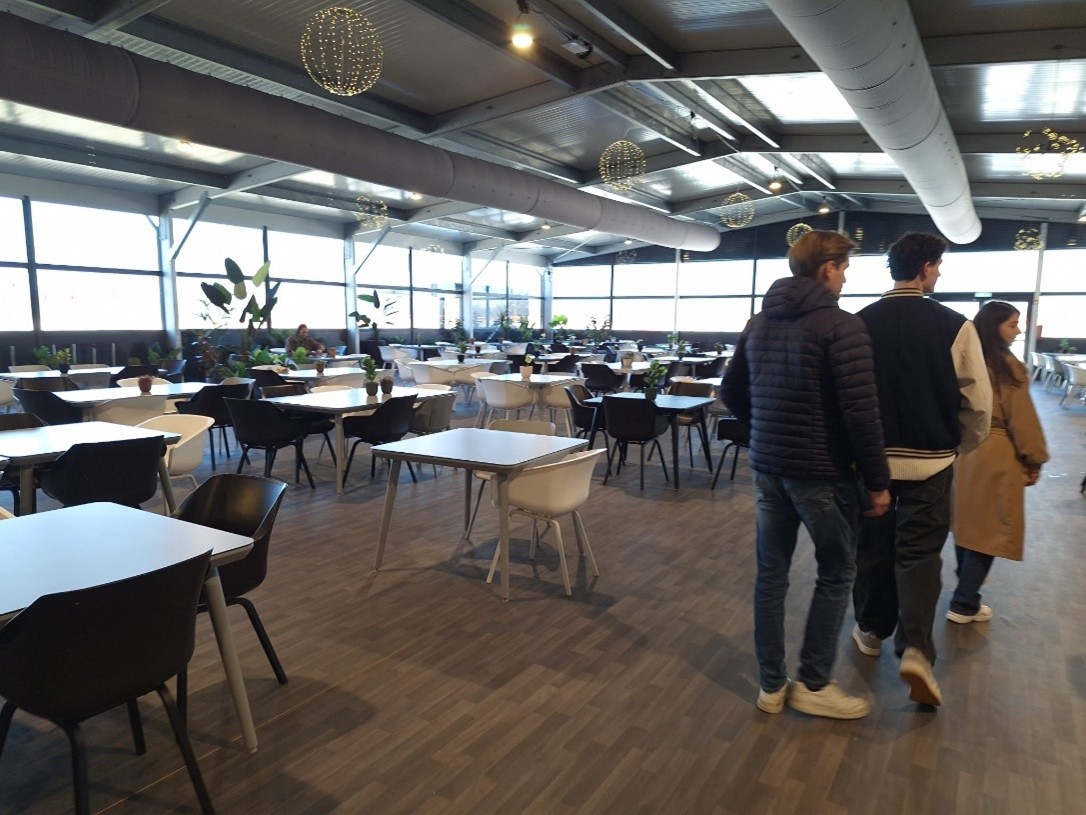
For the final presentation, we didn’t do a big formal pitch or anything, instead, it was set up like an open market. Every group had their own station, and people (including teachers, students, and clients) could walk around and check out the projects. I actually liked that setup a lot more, it felt way more relaxed and personal.
At our station, we explained our whole project to anyone who stopped by. Our client came too, and we walked her through everything, from the research we did, to the design choices, to the prototype we built. She was really happy with what we made, which was honestly super rewarding.
While talking to people, I made sure to explain why we focused on certain features like improving the CV builder and communication tools for refugees and employers. That all came from the interviews and user research we did. I also talked about how we handled everything respectfully, like keeping interview responses anonymous and being careful with language so nothing came off as offensive or biased.
The whole thing felt like a nice way to wrap up the project. It wasn’t just showing off the final product, it was showing how we got there and why it mattered.